Personal Finance Review Are Round-Up Apps Worth It?
— 6 min read
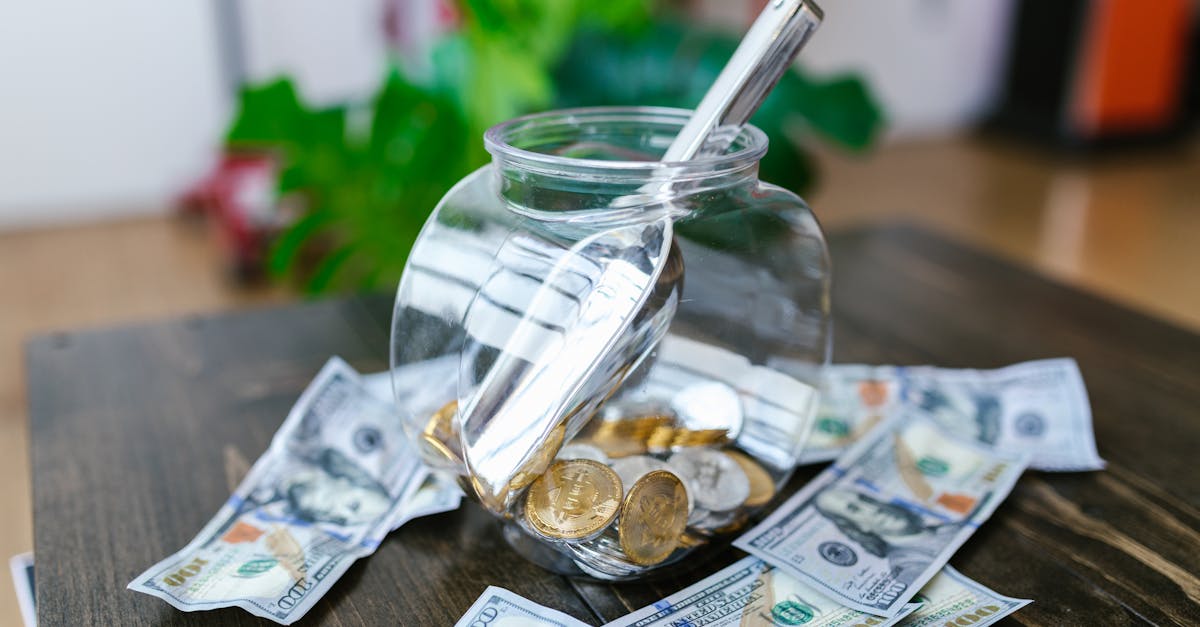
Round-up apps can be worth it, but only if you pair them with a solid emergency fund and a high-yield savings account.
They promise to turn loose change into a safety net, yet the real value lies in how the app fits into a broader budgeting system.
In 2026, NerdWallet reports that the top high-yield savings accounts deliver up to 4.03% APY, making every spare cent count.
Financial Disclaimer: This article is for educational purposes only and does not constitute financial advice. Consult a licensed financial advisor before making investment decisions.
Emergency Fund: The First Line of Defense
SponsoredWexa.aiThe AI workspace that actually gets work doneTry free →
I learned the hard way that a surprise medical bill can erase months of disciplined saving. When an unexpected expense hits, the first instinct for many is to tap a credit card, but that instantly adds high-interest debt. By keeping a dedicated emergency fund, you stay out of that trap.
The rule of thumb remains 3-6 months of living expenses, but the magic is in the placement. I keep my fund in a high-yield savings account that earns at least 1.5% APY, a figure that still outpaces most checking accounts. According to money.com, the best savings accounts of 2026 average around 3.9% APY, proving that the market rewards patience.
Once you hit the target, don’t let the fund gather dust. I roll a portion into a Roth IRA each month, treating the emergency stash as a launchpad for longer-term growth while preserving 25% of the balance in liquid form for true emergencies.
Key actions I follow:
- Calculate monthly essential costs and multiply by three to set a minimum goal.
- Open a separate high-yield account; avoid using the same institution for checking.
- Set an automatic transfer that kicks in on payday, before any discretionary spend.
- Review the balance quarterly and adjust contributions as income changes.
Key Takeaways
- Emergency fund prevents high-interest debt.
- Target 3-6 months of expenses.
- Use a high-yield account for better returns.
- Reallocate a slice to a Roth IRA after goal.
- Automate contributions on payday.
Round-Up Savings: Automating Micro-Deposits
I tried three round-up apps last year and found the concept simple: each purchase is rounded up to the nearest dollar and the difference lands in a savings bucket. The friction is minimal - your bank card does the work, and you barely notice the transfer.
The real test is consistency. I linked my checking account to a round-up service that captured $0.57 on average per transaction. Over a month, that adds up to roughly $30 without any effort. The magic is in the compounding effect when you let those micro-deposits sit in a high-yield account.
Automation alone isn’t enough. I set a reminder to glance at the app’s transaction history once a month. Card issuers sometimes change fee structures or introduce cash-back categories that affect rounding, so a quick audit prevents silent drift.
To maximize the benefit, I combine the round-up flow with an automatic savings plan. Every time the app moves funds, it also triggers a $5 scheduled transfer to my emergency fund. This dual-track system keeps the micro-savings feeding the larger safety net.
Consider these practical steps:
- Choose an app that supports direct deposit into a high-yield account.
- Set a minimum round-up threshold (e.g., $0.50) to avoid tiny, ineffective transfers.
- Enable push notifications for each round-up to stay aware.
- Pair the app with a recurring ACH deposit for added bulk.
| Feature | App A | App B | App C |
|---|---|---|---|
| Round-up limit | $0.01-$1.00 | $0.05-$2.00 | $0.10-$5.00 |
| Direct high-yield integration | Yes | No | Yes |
| Monthly fee | $0 | $2.99 | $0 |
My experience shows that if the app forces you to pay a fee, the round-up benefit evaporates faster than the interest you earn.
High-Yield Savings Accounts: Maximizing the APR
When I switched my emergency fund from a traditional checking account to an online high-yield savings account, the difference was immediate. The account now pays 4.03% APY according to NerdWallet, a rate that dwarfs the typical 0.01% you get at a brick-and-mortar bank.
Choosing the right provider matters. I evaluated three options based on APY, FDIC insurance, and fee structure. The winner offered no monthly fees, free transfers, and a mobile app that lets me see my balance in real time. Those details matter because hidden fees can shave off the interest gains.
To embed the account into a budgeting routine, I allocate a fixed percentage of each paycheck - usually 10% - to the high-yield account before any discretionary spending. This front-loading habit forces savings first, not after.
Automation can go a step further. I set up alerts that ping me when the balance dips below $1,000, prompting an automatic top-up from my checking. The result is a continuously growing fund that never falls into the “too low to matter” zone.
Key considerations when picking a high-yield account:
- APY at least 1.5% (higher is better).
- No monthly maintenance fees.
- Easy linkage to your primary checking.
- Responsive mobile interface for on-the-go checks.
Even if you already use a round-up app, the synergy of funneling those micro-deposits into a high-yield account magnifies the overall return.
Digital Savings Apps: A Wallet-Smart Ally
Beyond round-up, I gravitate toward digital savings platforms that blend budgeting, cash-back, and automated savings. One app I use pulls my transaction data, categorizes spending, and offers a 1% cash-back on groceries that it automatically deposits into my savings bucket.
The integration with my spreadsheet is a game-changer. Using the app’s API, I export a CSV each week and import it into my custom YNAB template. This hybrid approach gives me the convenience of automation while preserving the granular control of manual tracking.
When the app identifies a “spending leak” - for example, a recurring subscription you forgot about - it prompts you to redirect that money into a dedicated emergency fund. I’ve redirected $15 a month from forgotten gym fees and watched the fund swell without effort.
Setting recurring deposits aligned with payroll dates is essential. I schedule a $50 automatic transfer on the day my paycheck hits, ensuring the savings engine fires before any temptation to spend.
Features that have earned my loyalty:
- Real-time transaction syncing.
- Cash-back or reward points deposited directly into savings.
- Customizable categories for micro-goals.
- Low-fee ACH transfers (typically $0-$1).
By treating the app as a smart wallet rather than a gimmick, you capture hidden value that traditional banks simply don’t provide.
Budget-Conscious Tech Savvies: Outsmarting Manual Tracking
I’m a firm believer that tech should do the heavy lifting, especially when it comes to money. I feed all my bank accounts into a single dashboard that flags unusually high transactions and nudges me to move excess cash into a savings bucket.
Applying the 50/30/20 rule in a dynamic way has saved me from overspending. I let the app automatically shift the discretionary 30% slice into a high-yield emergency account before any credit card charges appear, effectively tightening the belt without feeling deprived.
Automation extends to the ACH layer. I set up a low-fee, 7-day ACH that deposits a predetermined amount into my emergency fund on the 5th of each month. The delay ensures the money clears, granting instant liquidity for any surprise expenses.
What sets this approach apart is the feedback loop. Each time the app confirms a successful deposit, it sends a celebratory notification - reinforcing the habit and making the process feel rewarding.
Practical steps for the tech-savvy:
- Connect every financial account to a single aggregation tool.
- Enable anomaly detection alerts for spikes.
- Configure rules that auto-transfer a set percentage to a high-yield account.
- Schedule low-fee ACH deposits aligned with your cash-flow calendar.
When you let software manage the minutiae, you free mental bandwidth for bigger financial decisions, like investing or paying down debt.
"The average high-yield savings account now offers around 3.9% APY, a figure that eclipses traditional checking rates by over 300 times," says CNBC.
Frequently Asked Questions
Q: Are round-up apps effective for building an emergency fund?
A: Yes, when paired with a high-yield savings account and automatic transfers, round-up apps can accelerate emergency fund growth without feeling like a sacrifice.
Q: How much should I allocate to a high-yield savings account each month?
A: A common rule is to direct 10% of each paycheck into the high-yield account before any discretionary spending, ensuring consistent growth.
Q: Can digital savings apps replace traditional budgeting methods?
A: They can supplement traditional methods by automating cash-back deposits and providing real-time alerts, but a solid budget framework remains essential.
Q: What fees should I watch out for with round-up apps?
A: Look for monthly subscription fees or transaction fees that exceed the interest you earn; in many cases a free app with direct high-yield integration is best.
Q: How often should I review my emergency fund strategy?
A: Quarterly reviews are ideal - adjust contributions if your income changes or if you approach the 3-6 month target.